Introduction
Invention is the heartbeat of human progress, and patents are the legal arteries through which it flows. From the printing press to smartphones, every transformative leap in technology has been protected and propelled by patent systems. These frameworks not only safeguard inventors’ rights but also fuel industrial growth and economic development. Every country that adopts a patent system marks a new chapter in its innovation journey. This article explores the first patented technologies in select countries, their historical contexts, and the ripple effects that followed. Understanding these beginnings provides insight into the power of intellectual property (IP) to shape national destinies.
The First Patents: A Global Snapshot of Innovation
United States: Steam-Powered Revolution
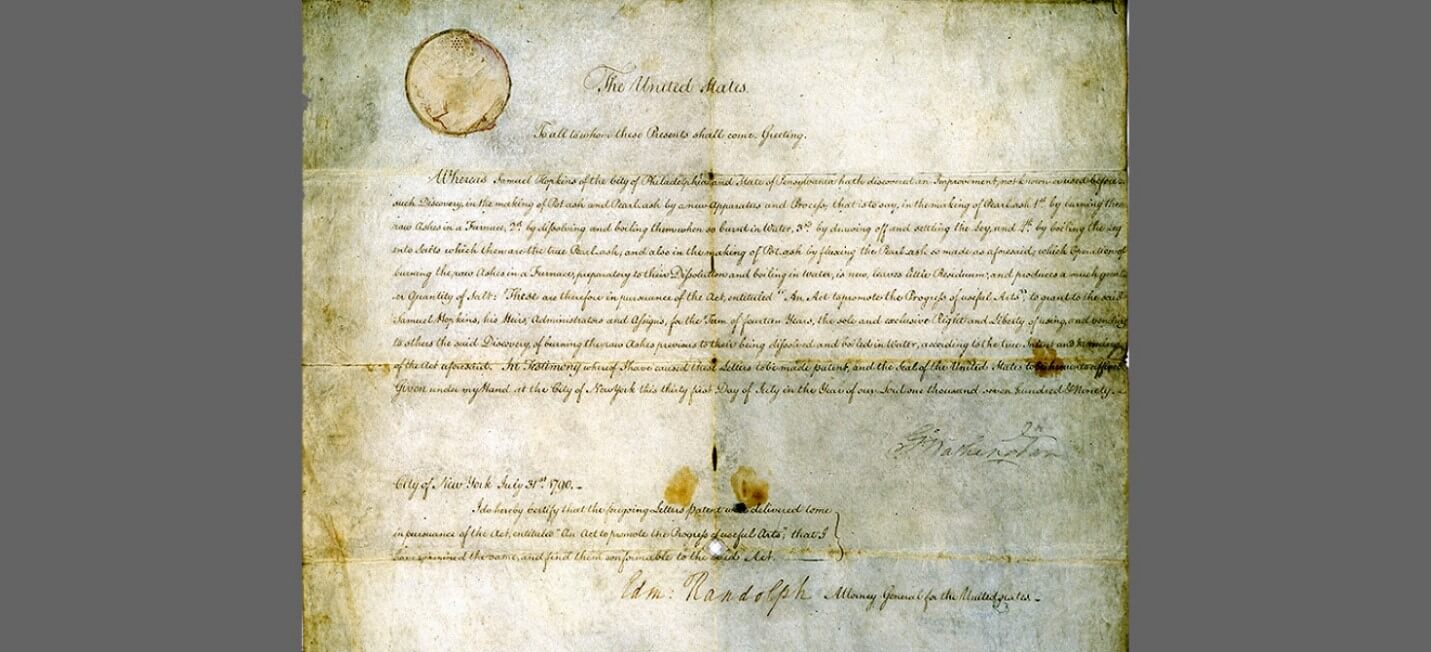
- First Patent: "Process for making potash" by Samuel Hopkins (1790)
- Issued By: George Washington himself
- Context: Emerging from the American Revolution, the U.S. recognized the need to stimulate domestic innovation. Hopkins’ method for producing potash—a vital ingredient for fertilizers and soap—reflected the agrarian economy’s needs.
- Impact: Set a precedent for utility patents and formalized innovation incentives in a growing democracy.
United Kingdom: Textile Mechanization
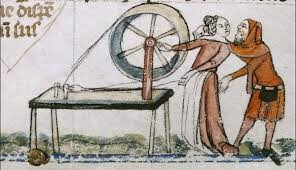
- First Patent: "New method for making woolen cloth" by John of Utynam (1449)
- Context: England’s wool industry was a pillar of its economy. Granting monopolies to foreign artisans encouraged technological transfer.
- Impact: Utynam’s patent marked the beginning of England’s statutory IP system, which would eventually underpin the Industrial Revolution.
Germany: Innovation in Organic Chemistry
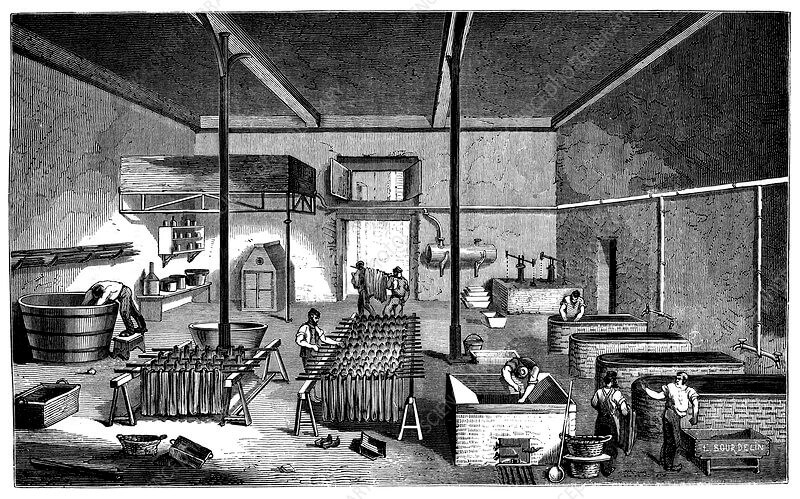
- First Patent: Dyeing process (1877) under the newly unified German Empire
- Context: Germany’s industrial might was emerging post-unification. The patent focused on synthetic dyes—pioneering work that would fuel the global chemical industry.
- Impact: Cemented Germany as a global hub for chemical and pharmaceutical R&D.
Japan: Westernization and Engineering Excellence
- First Patent: "Hot water apparatus" by Takahashi Korekiyo (1885)
- Context: During the Meiji Restoration, Japan rapidly modernized by embracing Western technologies.
- Impact: Signaled Japan’s serious commitment to industrial self-sufficiency and innovation. Today, Japan holds one of the world’s most sophisticated patent systems.
India: Colonial Constraints to Creative Freedoms
- First Patent: Steam engine invention by George Alfred DePenning (1856)
- Context: Granted under British colonial rule, India’s early patents often favored foreign nationals.
- Impact: Despite colonial limitations, this patent laid the groundwork for an independent post-independence patent framework, crucial for India’s later biotech and pharma boom.
- Suggested Image Colonial-era engineering drawing or early Indian patent certificate.
The Power of Patents: Past and Present
Innovation Catalyst
Patents don’t just protect ideas—they incentivize the creation of new ones. By granting temporary monopolies, governments ensure that inventors can reap the rewards of their work while also requiring public disclosure that fosters learning and advancement.
Economic Growth and National Identity
The first patented inventions often reflect a country’s priorities—be it agriculture, textiles, chemicals, or engineering. As countries developed, these patents spurred industries that shaped national economies and global trade.
Global Influence
What began as isolated national efforts soon formed the basis of international agreements like the Paris Convention (1883) and TRIPS Agreement (1995), standardizing IP rights worldwide. Today, a patented invention in one country can trigger innovation ecosystems across continents.
Modern Relevance
In a digital-first world, where AI-generated inventions and biotech breakthroughs are commonplace, patents remain as critical as ever. They ensure fair play, encourage investment, and build trust in emerging markets.
Conclusion
From potash to patents on artificial intelligence, the journey of protected ideas spans centuries and continents. The first patented technologies in each country were not mere legal acts—they were statements of national intent, signals to inventors, and milestones in global progress. As we move forward in the era of rapid technological evolution, the role of patents remains indispensable. By looking back at these foundational patents, we gain a deeper appreciation for the systems that continue to power progress today.
References
- United States Patent and Trademark Office (USPTO) Archives
- European Patent Office – Historical Patent Milestones
- Japan Patent Office – Patent History Overview
- World Intellectual Property Organization (WIPO)
- “A Short History of Patents” – UK Intellectual Property Office
- India Patent Office – Historical Documents and Milestones